
Pelvic Floor Health: The Missing Link in Your Overall Wellbeing
When we talk about "getting healthy," most of us think about eating better, moving more, and getting enough sleep. But there's a powerful part of your body that quietly influences your daily comfort, confidence, and long-term health—and it's rarely talked about: your pelvic floor.
Especially for women navigating fertility, pregnancy, postpartum, and perimenopause, understanding your pelvic floor isn't optional self-care; it's essential body literacy.
What Is Your Pelvic Floor—and Why It Matters
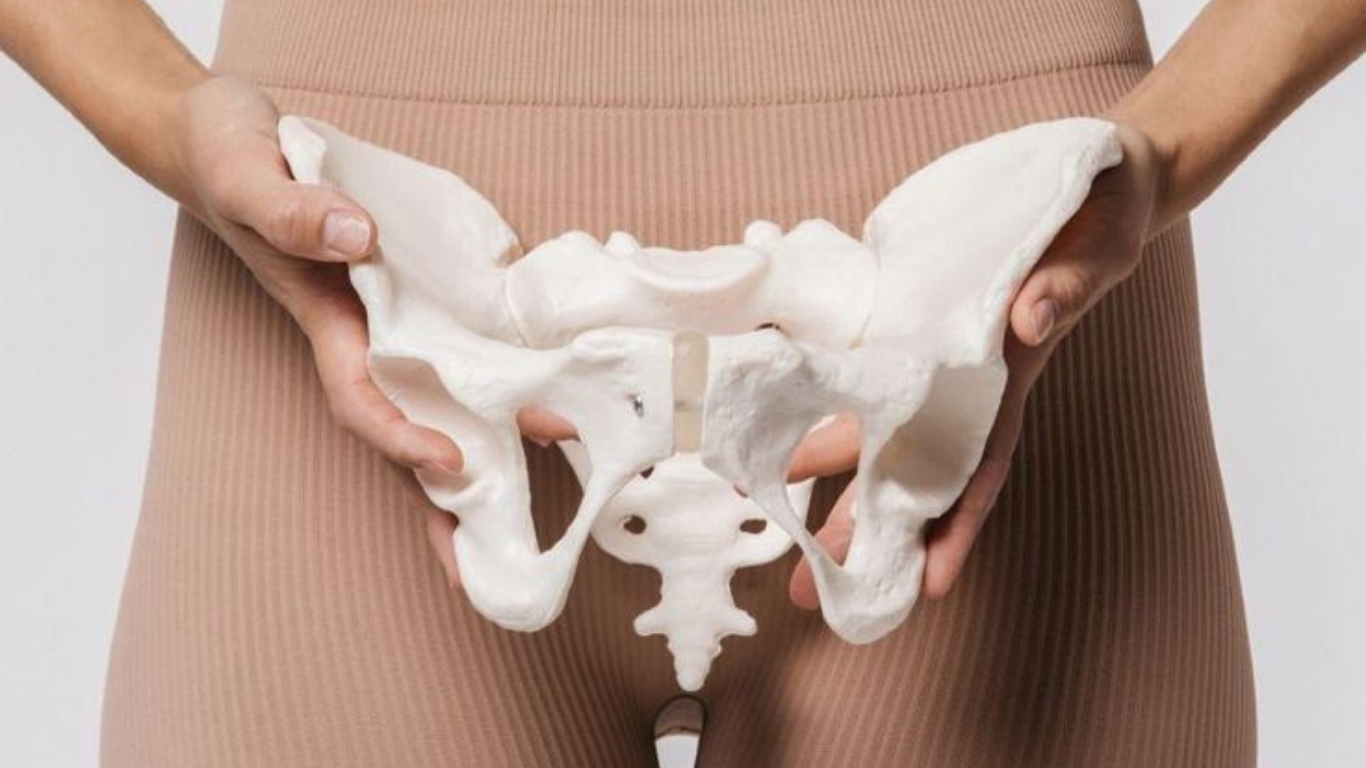
Your pelvic floor is a group of muscles that sit like a hammock or bowl at the base of your pelvis. They:
Support your pelvic organs (bladder, uterus, rectum)
Help control your bladder and bowels
Play a major role in sexual function and pleasure
Support your core and spine (yes, it's part of your "core")
Help pump fluid and manage swelling after injury, surgery, or childbirth
These muscles are working every single day—when you laugh, lift, run, cough, use the bathroom, or have sex. When they're not functioning well, the impact can ripple through your entire life.
And the numbers are real:
Around 50% of women develop pelvic floor dysfunction within 10 years of giving birth
25–45% of adult women worldwide experience urinary incontinence
About 25% of healthy, non-pregnant women report pelvic floor symptoms
Even men are affected: in one study, 79% of men had some degree of pelvic floor muscle dysfunction
This isn't niche. It's common—and under-discussed.
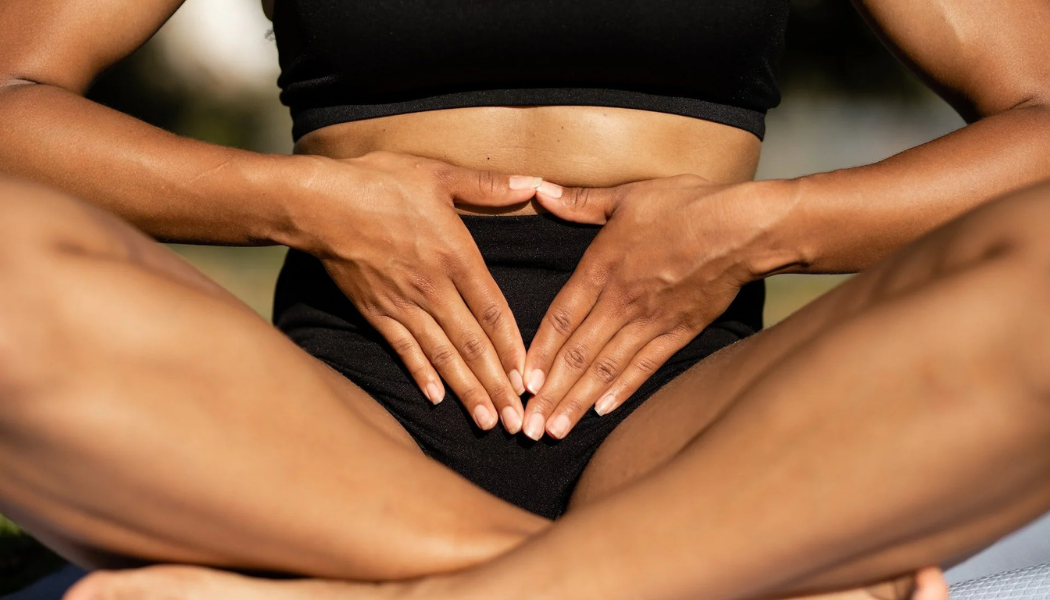
Signs Your Pelvic Floor Might Be Causing Your Problems
Pelvic floor issues don't all look the same. They can show up as weakness or as tightness/overactivity—and both can cause symptoms.
Here are some signs your pelvic floor may be involved:
Bladder + Bowel Changes
Leaking urine when you:
Laugh, sneeze, cough, jump, or run
Lift something heavy
Frequently rushing to the bathroom or peeing "just in case"
Feeling like you can't fully empty your bladder
Constipation or straining to have a bowel movement
Leaking stool or difficulty controlling gas
Pain + Discomfort
Pain with intercourse (it should not be "just part of being a woman")
Tampon discomfort or feeling like tampons "won't stay in right"
A heavy, dragging, or pressure feeling in the pelvis or vagina
Low back, hip, or tailbone pain that hasn't responded to typical treatment
Sexual Function Changes
Difficulty reaching orgasm
Painful penetration
Decreased pleasure or feeling "numb" or "too tight"
Life Transitions That Can Stress the Pelvic Floor
Your pelvic floor is especially vulnerable during times of hormonal change or physical load, including:
Fertility treatments
Pregnancy
Postpartum (vaginal birth or C-section)
Perimenopause and menopause
Cancer care involving estrogen-blocking treatments or surgeries
If you're in any of these seasons and noticing symptoms, your pelvic floor deserves attention.
3 Simple Ways to Support Your Pelvic Floor Health
You don't have to overhaul your life to start making a difference. Small, consistent practices add up. Here are three accessible ways to start today.
1. Breathe Like Your Pelvic Floor Depends On It (Because It Does)
Your diaphragm (breathing muscle) and your pelvic floor are teammates.
When you inhale, your diaphragm drops down, and your pelvic floor gently lengthens and lowers.
When you exhale, everything gently recoils and lifts.
Chronic stress, sucking in your stomach, or shallow chest breathing can lock this system up and keep your pelvic floor tense.
Try 360° diaphragmatic breathing:
Sit or lie comfortably. Place your hands around your lower ribcage (front and sides).
Inhale through your nose, gently expanding your ribs in all directions—front, sides, and back. Let your belly soften; don't suck it in.
Exhale slowly through your mouth, allowing your ribs and belly to gently fall.
Practice for 5–10 breaths, 1–3 times per day (great while sitting in the car, before bed, or between meetings).
This helps:
Calm your nervous system
Release unnecessary pelvic floor tension
Improve core and pelvic coordination
2. Support Your Bowels: Fiber, Water, and No More Straining
Constipation is one of the pelvic floor's biggest bullies. Years of straining can contribute to prolapse (pelvic organs dropping) and other dysfunction.
Aim for:
Fiber: About 25–30 grams per day from whole foods like fruits, vegetables, beans, lentils, whole grains, nuts, and seeds
Water: A simple target is around half your body weight (lbs) in ounces per day, adjusted for your individual needs
Clues you need more support:
Stools are hard, small pebbles, or difficult to pass
You consistently have to strain or "push hard."
You feel incomplete after going
Soft, easy-to-pass, sausage-shaped stools are the goal.
3. Build Daily Nervous System "Resets"
Your pelvic floor is deeply influenced by your stress levels. When you live in fight-or-flight mode, your muscles—including your pelvic floor—tend to stay braced and guarded.
You don't need an hour-long routine. Think tiny, frequent resets that counter stress during your real life.
Options to try:
Micro-breath breaks: After a stressful email, before a meeting, or in the car—pause for 5 slow diaphragmatic breaths.
Gentle positions that invite release:
Child's pose with wide knees (hips back toward heels, forehead resting on something)
Legs up the wall (hips a few inches from the wall, legs resting up, arms out to the sides, breathing slowly)
Vagus nerve activators:
Soft humming or singing
Brief guided meditation or prayer
Gentle stretching before bed
If you like habit frameworks: attach one of these to something you already do. For example:
After brushing your teeth → 5 deep breaths
After you park the car → 2 minutes of legs up the wall
Before opening your inbox → 1 minute of humming or quiet breathing
When to Get Professional Help
You don't have to figure this out alone, and you don't need to "wait until it's really bad." Reach out to a pelvic floor physical therapist if you notice:
Leaking (even "just a little") with laughing, coughing, sneezing, jumping, or running
Persistent constipation or straining
Pelvic heaviness or pressure
Painful sex or tampon use
Ongoing low back, hip, or tailbone pain
New or worsening symptoms around pregnancy, postpartum, or perimenopause
Education and targeted pelvic floor care can be truly life-changing—often more quickly than people expect.
Local Support in South Florida

Follow Dr. Jae on Instagram: @thepelvictrainer
If you're in South Florida and want expert, compassionate pelvic floor support, you can connect with:
Dr. Jocelyn (Dawsen) Rodriguez, PT, DPT
Board-Certified Orthopedic Specialist, Pelvic Floor Physical Therapist, and instructor in the Doctor of Physical Therapy program at the University of Miami.
Learn more and explore care options at her practice:
Dr. Jocelyn's Practice – South Florida Pelvic Floor & Orthopedic PT
Pelvic floor health is not a "taboo topic" or a "mom problem." It's core to your wellbeing, your confidence, your pleasure, and your ability to move through life with ease.
Talk about it. Ask questions. Share what you learn with another woman in your life. Our bodies—and our stories—deserve that level of care.